

Understanding Adiponectin: Implications of High and Low Levels in Your Body

Adiponectin is a hormone that plays a crucial role in regulating metabolism, inflammation, and overall health. Despite its importance, many people have never heard of it or understand what it means when adiponectin levels are high or low. This article explores what adiponectin is, why it matters, and what changes in its levels can indicate about your health.
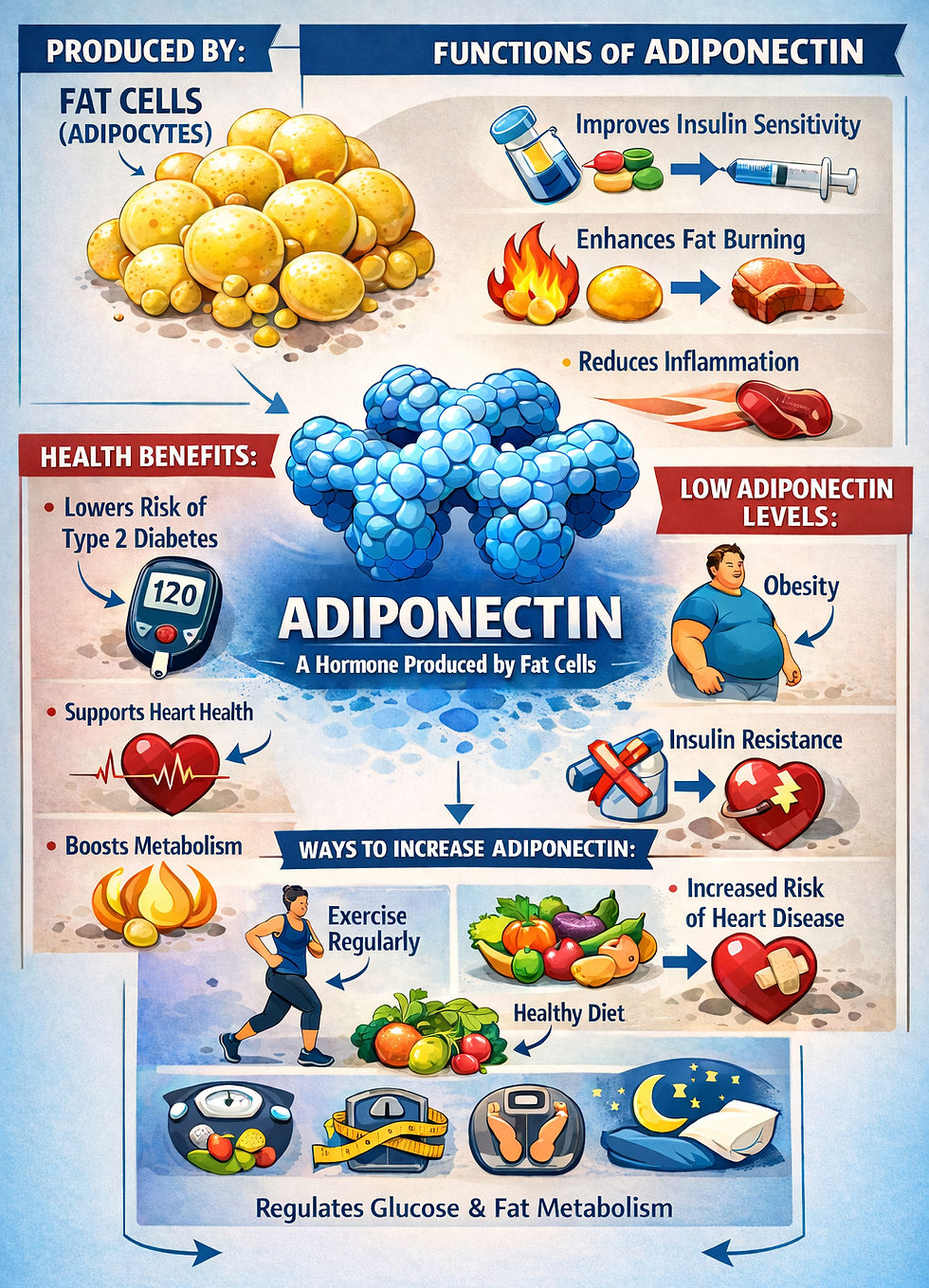
What Is Adiponectin?
Adiponectin is a protein hormone produced primarily by fat cells (adipocytes). Unlike many other hormones secreted by fat tissue, adiponectin has beneficial effects on the body. It helps regulate glucose levels, breaks down fatty acids, and reduces inflammation. This hormone plays a vital role in maintaining insulin sensitivity, which is essential for controlling blood sugar and preventing type 2 diabetes.
Adiponectin circulates in the bloodstream and communicates with various organs, including the liver, muscles, and brain, to influence energy metabolism. Higher levels of adiponectin are generally associated with better metabolic health.
How Adiponectin Works in the Body
Adiponectin improves the body's response to insulin, making it easier for cells to absorb glucose from the blood. It also promotes the breakdown of fats and reduces the production of inflammatory molecules. These combined effects help protect against metabolic diseases such as obesity, diabetes, and cardiovascular disease.
The hormone exists in several forms, with different molecular weights, and these forms have varying effects on the body. The balance between these forms can influence how adiponectin functions.
What Does It Mean When Adiponectin Levels Are High?
High adiponectin levels are often seen as a positive sign, but the context matters. Generally, elevated adiponectin indicates:
Improved insulin sensitivity: High levels help cells respond better to insulin, lowering the risk of diabetes.
Reduced inflammation: Adiponectin suppresses inflammatory pathways, which can protect against chronic diseases.
Lower risk of heart disease: Studies show that higher adiponectin correlates with healthier blood vessels and less plaque buildup.
However, in some cases, very high adiponectin levels may be linked to certain health issues:
Chronic heart failure: Some patients with heart failure show increased adiponectin, possibly as a compensatory mechanism.
Certain cancers: Research is ongoing, but some cancers may be associated with altered adiponectin levels.
Excessive weight loss or malnutrition: In conditions like anorexia or wasting diseases, adiponectin can rise abnormally.
Examples of High Adiponectin Benefits
A study of middle-aged adults found that those with higher adiponectin had a 30% lower risk of developing type 2 diabetes over five years.
Athletes often have elevated adiponectin, which supports their enhanced metabolic function and recovery.
What Does It Mean When Adiponectin Levels Are Low?
Low adiponectin levels are more commonly linked to health problems. Reduced adiponectin can indicate:
Insulin resistance: Cells become less responsive to insulin, increasing the risk of type 2 diabetes.
Obesity: Fat tissue in obese individuals often produces less adiponectin.
Increased inflammation: Lower adiponectin means less suppression of inflammatory molecules, contributing to chronic inflammation.
Higher risk of cardiovascular disease: Low levels are associated with atherosclerosis and heart disease.
Health Conditions Associated with Low Adiponectin
Type 2 diabetes: Many patients with diabetes have significantly reduced adiponectin.
Metabolic syndrome: This cluster of conditions, including high blood pressure and abnormal cholesterol, often features low adiponectin.
Non-alcoholic fatty liver disease (NAFLD): Low adiponectin contributes to fat accumulation in the liver.
Practical Example
A person with obesity and low adiponectin may experience worsening insulin resistance, making it harder to control blood sugar. Lifestyle changes that increase adiponectin can improve their metabolic health.
Factors That Influence Adiponectin Levels
Several lifestyle and biological factors affect adiponectin production:
Body fat percentage: More fat usually means lower adiponectin.
Diet: Diets rich in omega-3 fatty acids, fiber, and polyphenols can increase adiponectin.
Exercise: Regular physical activity boosts adiponectin levels.
Medications: Some drugs, like thiazolidinediones used in diabetes, raise adiponectin.
Genetics: Variations in genes can influence baseline adiponectin levels.
How to Support Healthy Adiponectin Levels
Improving adiponectin levels can support better metabolic health. Here are some practical steps:
Maintain a healthy weight: Losing excess fat helps increase adiponectin.
Eat a balanced diet: Include foods like fatty fish, nuts, fruits, and vegetables.
Exercise regularly: Both aerobic and resistance training are effective.
Manage stress: Chronic stress can negatively affect hormone balance.
Avoid smoking and excessive alcohol: These habits can lower adiponectin.
Testing and Monitoring Adiponectin
Adiponectin levels can be measured through blood tests, often ordered when assessing metabolic health or risk for diabetes and heart disease. Doctors may use adiponectin levels alongside other markers to get a clearer picture of a patient’s health.


Comments