

Understanding MASLD: Essential Information for Patients

Metabolic dysfunction-associated steatotic liver disease (MASLD) is a growing health concern worldwide. Many people may not realize they have this condition until it progresses to more serious liver problems. This article aims to provide clear, practical information about MASLD to help patients understand what it is, how it develops, and what steps they can take to manage it effectively.
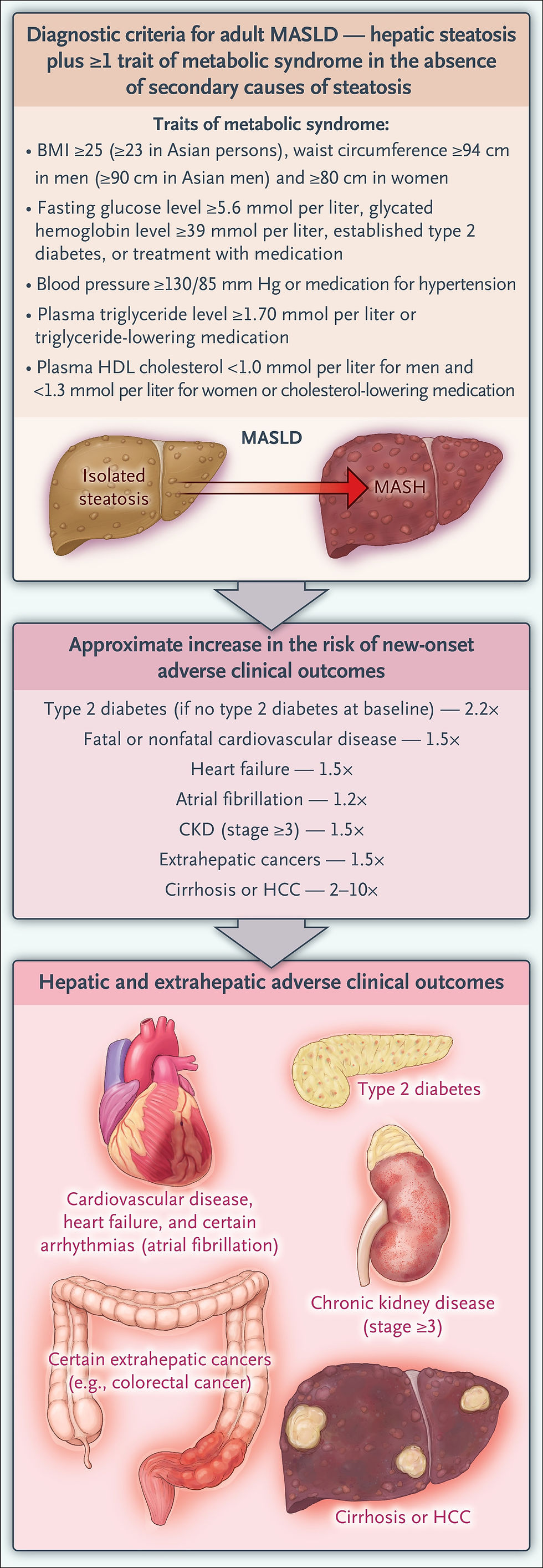
What is MASLD?
MASLD refers to a condition where excess fat builds up in the liver due to metabolic dysfunction. It is a newer term that replaces what was previously called non-alcoholic fatty liver disease (NAFLD). The change in name reflects a better understanding that metabolic issues like insulin resistance, obesity, and type 2 diabetes play a central role in the disease.
In MASLD, fat accumulates in liver cells without significant alcohol consumption being a cause. Over time, this fat buildup can cause inflammation and damage to the liver, potentially leading to fibrosis (scarring), cirrhosis, or even liver cancer if left untreated.
Causes and Risk Factors
Several factors contribute to the development of MASLD. The most common include:
Obesity: Excess body fat, especially around the abdomen, increases the risk.
Type 2 diabetes: Insulin resistance affects how the liver processes fat.
High cholesterol and triglycerides: These blood fats can worsen fat accumulation in the liver.
Metabolic syndrome: A cluster of conditions including high blood pressure, high blood sugar, excess body fat, and abnormal cholesterol levels.
Sedentary lifestyle: Lack of physical activity contributes to weight gain and metabolic problems.
Poor diet: Diets high in sugar, refined carbohydrates, and unhealthy fats increase risk.
Understanding these factors helps patients recognize their own risk and motivates lifestyle changes that can improve liver health.
Symptoms to Watch For
MASLD often develops silently, with many people experiencing no symptoms in early stages. When symptoms do appear, they may include:
Fatigue or feeling unusually tired
Mild discomfort or pain in the upper right abdomen
Unexplained weight loss or weakness in advanced stages
Because symptoms are vague or absent, MASLD is often discovered during routine blood tests or imaging studies done for other reasons.
How is MASLD Diagnosed?
Doctors use a combination of medical history, physical exams, blood tests, and imaging to diagnose MASLD:
Blood tests: Liver enzymes such as ALT and AST may be elevated but can also be normal.
Ultrasound: A common imaging test that can detect fat in the liver.
FibroScan or elastography: Specialized scans that measure liver stiffness to assess fibrosis.
Liver biopsy: In some cases, a small tissue sample is taken to confirm diagnosis and assess damage.
Early diagnosis is key to preventing progression. Patients with risk factors should discuss screening options with their healthcare provider.
Managing MASLD Through Lifestyle Changes
The most effective way to manage MASLD is through lifestyle adjustments that target the underlying metabolic dysfunction:
Weight loss: Losing 5-10% of body weight can significantly reduce liver fat and inflammation.
Healthy diet: Focus on whole foods such as vegetables, fruits, whole grains, lean proteins, and healthy fats like olive oil. Limit sugar, processed foods, and saturated fats.
Regular exercise: Aim for at least 150 minutes of moderate aerobic activity per week, such as brisk walking or cycling.
Control blood sugar and cholesterol: Work with your doctor to manage diabetes and lipid levels.
Avoid alcohol: Even moderate alcohol intake can worsen liver damage in MASLD.
These changes not only improve liver health but also reduce the risk of heart disease and diabetes complications.
Medical Treatments and Monitoring
Currently, no medications are specifically approved to treat MASLD. However, doctors may prescribe treatments to manage related conditions:
Medications to control diabetes, cholesterol, or blood pressure
Vitamin E supplements in some cases, under medical supervision
Regular monitoring of liver function and fibrosis progression
Research is ongoing to find drugs that directly target liver fat and inflammation. Patients should maintain regular follow-ups to track their liver health and adjust treatment plans as needed.
Potential Complications if Untreated
If MASLD is left unmanaged, it can progress to more serious liver conditions:
Non-alcoholic steatohepatitis (NASH): A more severe form with liver inflammation and damage.
Fibrosis and cirrhosis: Scarring that impairs liver function.
Liver failure: Loss of liver function requiring transplantation.
Liver cancer: Increased risk in advanced disease.
Early intervention can prevent or slow this progression, highlighting the importance of awareness and action.
Practical Tips for Patients
Schedule regular check-ups if you have risk factors.
Keep a food and activity diary to track progress.
Seek support from dietitians or support groups.
Avoid fad diets; focus on sustainable, balanced eating.
Discuss any supplements or medications with your healthcare provider.
Summary
MASLD is a common but often silent liver condition linked to metabolic health. Understanding its causes, symptoms, and management empowers patients to take control of their liver health. Lifestyle changes remain the cornerstone of treatment, supported by medical care for related conditions. Early diagnosis and ongoing monitoring can prevent serious complications and improve quality of life.


Comments