

Understanding Adiposity and Its Impact on Weight Metrics

Adiposity, or body fat accumulation, plays a crucial role in understanding weight and health. While many people focus on weight alone, the amount and distribution of body fat provide deeper insight into overall wellness. This post explores what adiposity means, how it affects common weight metrics, and why it matters for health assessment.

What Is Adiposity?
Adiposity refers to the amount of fat stored in the body. Unlike weight, which includes muscle, bone, water, and fat, adiposity focuses specifically on fat tissue. This distinction is important because two people with the same weight can have very different health profiles depending on their fat levels.
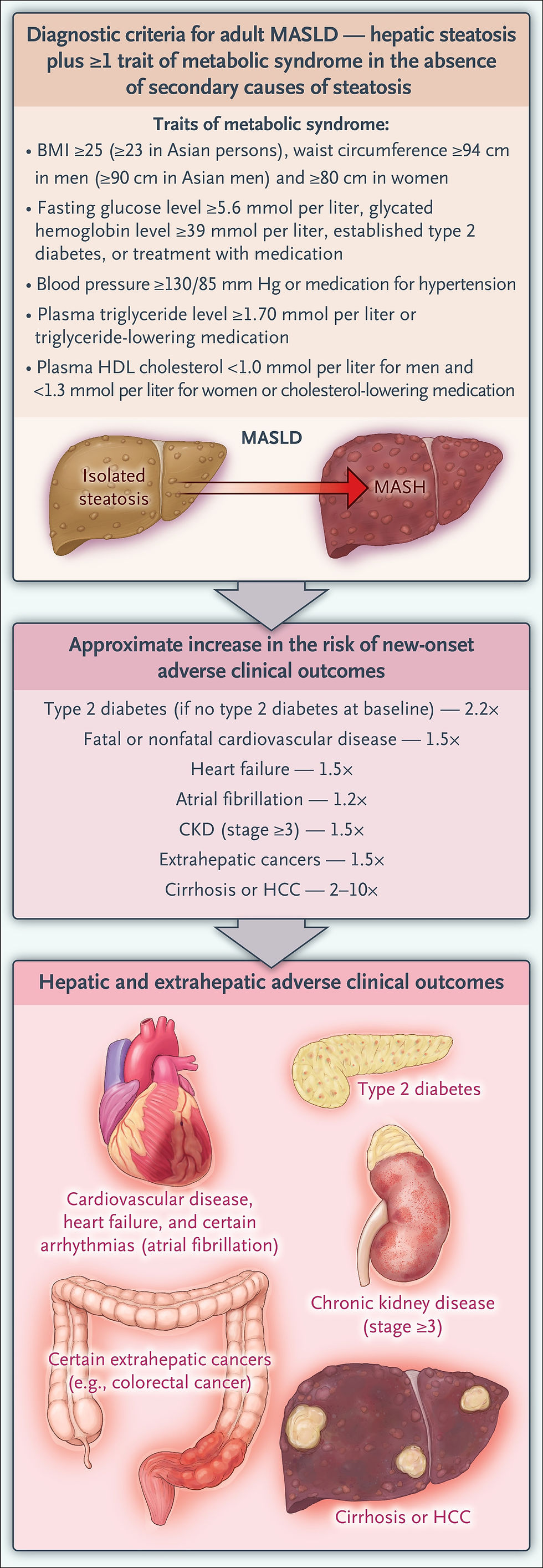
Body fat serves essential functions such as energy storage, insulation, and hormone production. However, excess adiposity, especially around the abdomen, increases the risk of chronic diseases like diabetes, heart disease, and certain cancers.
Common Weight Metrics and Their Limitations
Many weight metrics are used to assess health, but they do not all measure adiposity directly. Understanding their strengths and weaknesses helps interpret results more accurately.
Body Mass Index (BMI)
BMI is the most widely used weight metric. It calculates weight in kilograms divided by height in meters squared (kg/m²). BMI categories range from underweight to obese.
Strengths: Easy to calculate, useful for large populations.
Limitations: Does not distinguish between fat and muscle. Athletes or muscular individuals may have a high BMI but low body fat. BMI also does not indicate fat distribution.
Waist Circumference
Measuring waist circumference helps estimate abdominal fat, which is linked to higher health risks.
Strengths: Simple, inexpensive, and correlates with visceral fat.
Limitations: Does not provide total body fat percentage. Measurement technique can vary.
Waist-to-Hip Ratio (WHR)
WHR compares waist circumference to hip circumference to assess fat distribution.
Strengths: Indicates risk related to fat distribution.
Limitations: Like waist circumference, it does not measure total adiposity.
Body Fat Percentage
This metric directly estimates the proportion of fat in the body. Methods include skinfold calipers, bioelectrical impedance, DEXA scans, and hydrostatic weighing.
Strengths: Provides a clear picture of adiposity.
Limitations: Some methods require specialized equipment or trained personnel. Accuracy varies by method.
Why Adiposity Matters More Than Weight Alone
Focusing solely on weight or BMI can be misleading. For example, a person with a normal BMI but high body fat percentage may face health risks similar to someone classified as overweight. This condition is sometimes called "normal weight obesity."
Excess adiposity, particularly visceral fat around organs, contributes to inflammation and metabolic problems. Conversely, having a higher weight due to muscle mass is generally healthier.
How to Measure and Track Adiposity
Tracking adiposity helps monitor health progress beyond the scale. Here are practical ways to measure and track body fat:
Skinfold Measurements: Using calipers at specific body sites to estimate fat percentage. Requires some training for accuracy.
Bioelectrical Impedance Analysis (BIA): A device sends a small electrical current through the body to estimate fat. Convenient but affected by hydration.
DEXA Scan: A detailed imaging method that measures fat, muscle, and bone density. Accurate but costly and less accessible.
Waist Circumference: Use a tape measure at the narrowest point between ribs and hips. Track changes over time.
Regular measurements combined with other health indicators provide a fuller picture of wellness.
Practical Tips to Manage Adiposity
Reducing excess adiposity improves health outcomes. Here are some evidence-based strategies:
Balanced Diet: Focus on whole foods, vegetables, lean proteins, and healthy fats. Limit processed foods and added sugars.
Regular Physical Activity: Combine aerobic exercises with strength training to build muscle and reduce fat.
Adequate Sleep: Poor sleep can affect hormones that regulate appetite and fat storage.
Stress Management: Chronic stress may increase fat accumulation, especially around the abdomen.
Consistent Monitoring: Track body fat and waist measurements rather than just weight.
Understanding Adiposity in Different Populations
Adiposity and its health impact vary by age, sex, and ethnicity. For example:
Women naturally have higher body fat percentages than men.
Older adults may lose muscle mass and gain fat even if weight stays stable.
Some ethnic groups have higher health risks at lower BMI levels due to fat distribution differences.
Health assessments should consider these factors for personalized advice.
The Role of Technology in Adiposity Assessment
Advances in technology have made adiposity measurement more accessible:
Smart Scales: Many now estimate body fat using bioelectrical impedance.
Mobile Apps: Some apps guide skinfold measurements or track waist circumference.
Wearables: Devices that monitor activity and sleep help manage factors influencing adiposity.
Using technology alongside professional guidance can improve accuracy and motivation.


Comments