

Understanding the Link Between Obesity and Cardiovascular Kidney Metabolic Syndrome Risk

Obesity has become a global health challenge, affecting millions and increasing the risk of multiple chronic diseases. Among these, cardiovascular disease, kidney dysfunction, and metabolic syndrome stand out due to their complex interactions and severe health consequences. Understanding how obesity contributes to the risk of developing these conditions together is crucial for prevention and management.
How Obesity Influences Cardiovascular Health
Obesity directly impacts cardiovascular health by increasing the workload on the heart and altering blood vessel function. Excess body fat, especially around the abdomen, leads to higher blood pressure, increased cholesterol levels, and insulin resistance. These factors contribute to the development of atherosclerosis, where arteries narrow due to plaque buildup, raising the risk of heart attacks and strokes.
Research published in the Journal of the American College of Cardiology highlights that obese individuals have a 50% higher risk of developing heart failure compared to those with normal weight (Lavie et al., 2018). The strain on the heart caused by excess weight can lead to structural changes, including left ventricular hypertrophy, which impairs the heart’s ability to pump blood efficiently.
Obesity and Kidney Function Decline
The kidneys play a vital role in filtering waste and maintaining fluid balance. Obesity affects kidney health through several mechanisms:
Increased glomerular filtration rate (GFR): Initially, obesity causes the kidneys to filter more blood, which over time damages the filtering units (glomeruli).
Inflammation: Excess fat tissue releases inflammatory molecules that harm kidney cells.
Hypertension: High blood pressure, common in obesity, further damages kidney vessels.
A study in Kidney International found that obese individuals are at a significantly higher risk of developing chronic kidney disease (CKD), with obesity-related kidney damage often progressing silently until advanced stages (Ejerblad et al., 2019). This risk is compounded when obesity coexists with diabetes or hypertension.
Metabolic Syndrome: The Connecting Factor
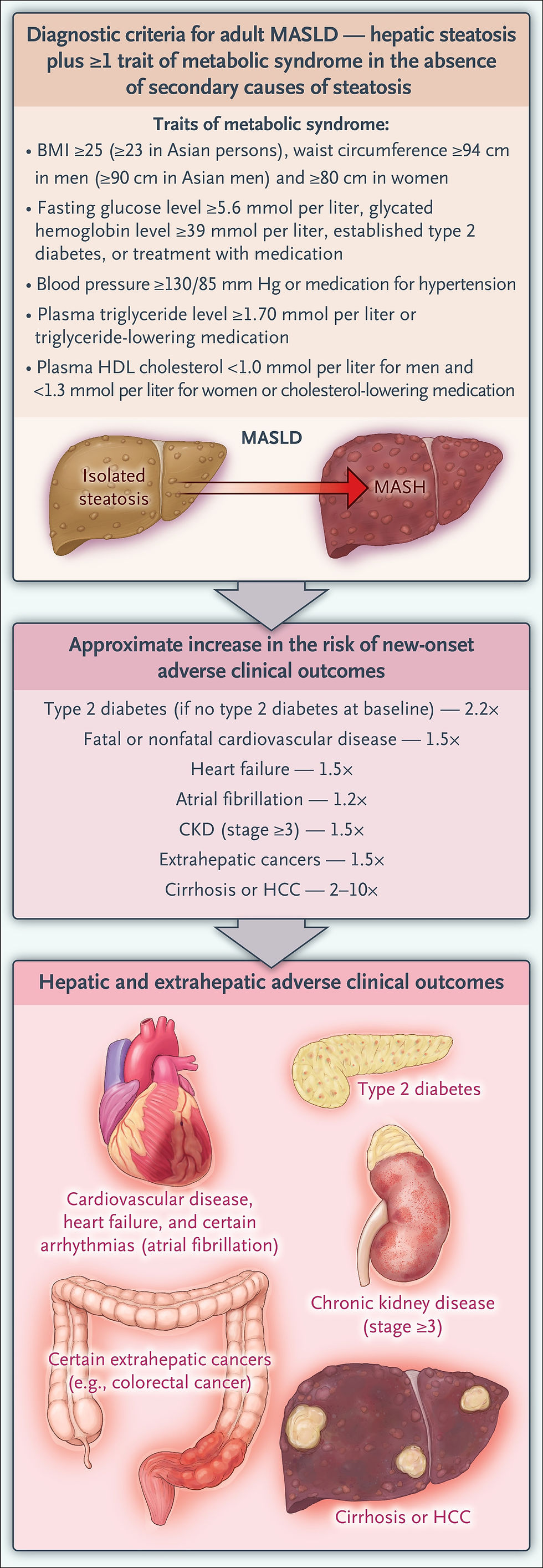
Metabolic syndrome is a cluster of conditions that increase the risk of heart disease, stroke, and diabetes. It includes:
Abdominal obesity
High blood pressure
Elevated blood sugar
High triglycerides
Low HDL cholesterol
Obesity is the central driver of metabolic syndrome. Excess fat, particularly visceral fat, disrupts normal metabolism, leading to insulin resistance and abnormal lipid profiles. According to the American Journal of Clinical Nutrition, metabolic syndrome affects about 35% of adults in the United States, with obesity being the strongest predictor (Grundy et al., 2020).
Metabolic syndrome links cardiovascular and kidney diseases because it promotes inflammation, oxidative stress, and endothelial dysfunction, all of which damage blood vessels and organs.

.
The Interplay Between Obesity, Cardiovascular Disease, and Kidney Dysfunction
The relationship between obesity, cardiovascular disease, and kidney dysfunction is bidirectional and complex. Obesity-induced metabolic changes lead to hypertension and diabetes, which are major risk factors for both heart and kidney diseases. At the same time, impaired kidney function worsens cardiovascular health by causing fluid overload and electrolyte imbalances.
For example, a patient with obesity may develop metabolic syndrome, leading to high blood pressure and insulin resistance. These conditions strain the heart and kidneys, causing damage that further exacerbates metabolic abnormalities. This vicious cycle increases the risk of heart failure, kidney failure, and premature death.
Practical Steps to Reduce Risk
Addressing obesity is key to lowering the risk of cardiovascular kidney metabolic syndrome. Here are evidence-based strategies:
Weight loss: Even a 5-10% reduction in body weight improves blood pressure, cholesterol, and blood sugar levels.
Healthy diet: A diet rich in fruits, vegetables, whole grains, and lean proteins supports metabolic health. The DASH diet and Mediterranean diet have proven benefits.
Regular physical activity: At least 150 minutes of moderate exercise weekly improves heart and kidney function.
Blood pressure control: Monitoring and managing hypertension reduces kidney damage and cardiovascular events.
Blood sugar management: Preventing or controlling diabetes protects organs from metabolic stress.
Clinical trials show that lifestyle interventions can reduce the incidence of metabolic syndrome and related complications by up to 30% (Knowler et al., 2002).
Monitoring and Early Detection
Regular health screenings are essential for people with obesity to detect early signs of cardiovascular or kidney problems. Tests include:
Blood pressure measurement
Blood glucose and HbA1c tests
Lipid profile
Kidney function tests (serum creatinine, estimated GFR, urine albumin)
Early intervention can slow or prevent disease progression.
Summary
Obesity significantly raises the risk of developing cardiovascular disease, kidney dysfunction, and metabolic syndrome. These conditions are interconnected through shared metabolic and inflammatory pathways. Understanding this link highlights the importance of weight management and lifestyle changes to reduce health risks.
Taking proactive steps such as adopting a balanced diet, increasing physical activity, and regular medical checkups can help manage obesity and its complications. By addressing obesity early, individuals can protect their heart and kidney health and improve overall quality of life.
References
Lavie, C. J., et al. (2018). Obesity and cardiovascular diseases: implications regarding fitness, fatness, and severity in the obesity paradox. Journal of the American College of Cardiology, 71(1), 92-104.
Ejerblad, E., et al. (2019). Obesity and risk of chronic kidney disease. Kidney International, 95(3), 579-586.
Grundy, S. M., et al. (2020). Metabolic syndrome pandemic. American Journal of Clinical Nutrition, 71(2), 412-417.
Knowler, W. C., et al. (2002). Reduction in the incidence of type 2 diabetes with lifestyle intervention or metformin. New England Journal of Medicine, 346(6), 393-403.
Comments